Seoul on a Tight Budget
Transport and food in Seoul are cheap enough that they are not the problem. Accommodation is. Here is where the money actually goes and what costs nothing.
Reality check
- Going alone
- Perfectly normal
- Payment
- Card accepted
- Cost
- a full day of sightseeing, transport and food is achievable for very little
Seoul has a reputation as an expensive city that does not survive contact with it. A subway ride is small change, a proper meal costs less than a sandwich in most European capitals, and several of the best museums are free. The one line item that behaves like an expensive city is accommodation, and that is where a budget is won or lost.
Where the money goes
| Reality | |
|---|---|
| Accommodation | The big one. Central Seoul is priced like a major world city |
| Transport | Very cheap. Budgeting for it is barely worth doing |
| Food | Cheap if you eat where Koreans eat, expensive if you eat where tourists do |
| Attractions | Mostly free or a few thousand won. Palaces are inexpensive |
| Coffee and cafes | Priced like the west. This is where budgets quietly leak |
Stay near a line, not near a sight
The single biggest saving is accepting an address twenty minutes out on the subway instead of a central one. Seoul's transport is good enough that this costs you very little time and can halve what you pay for a bed. Anywhere on the circle line works.
What costs nothing
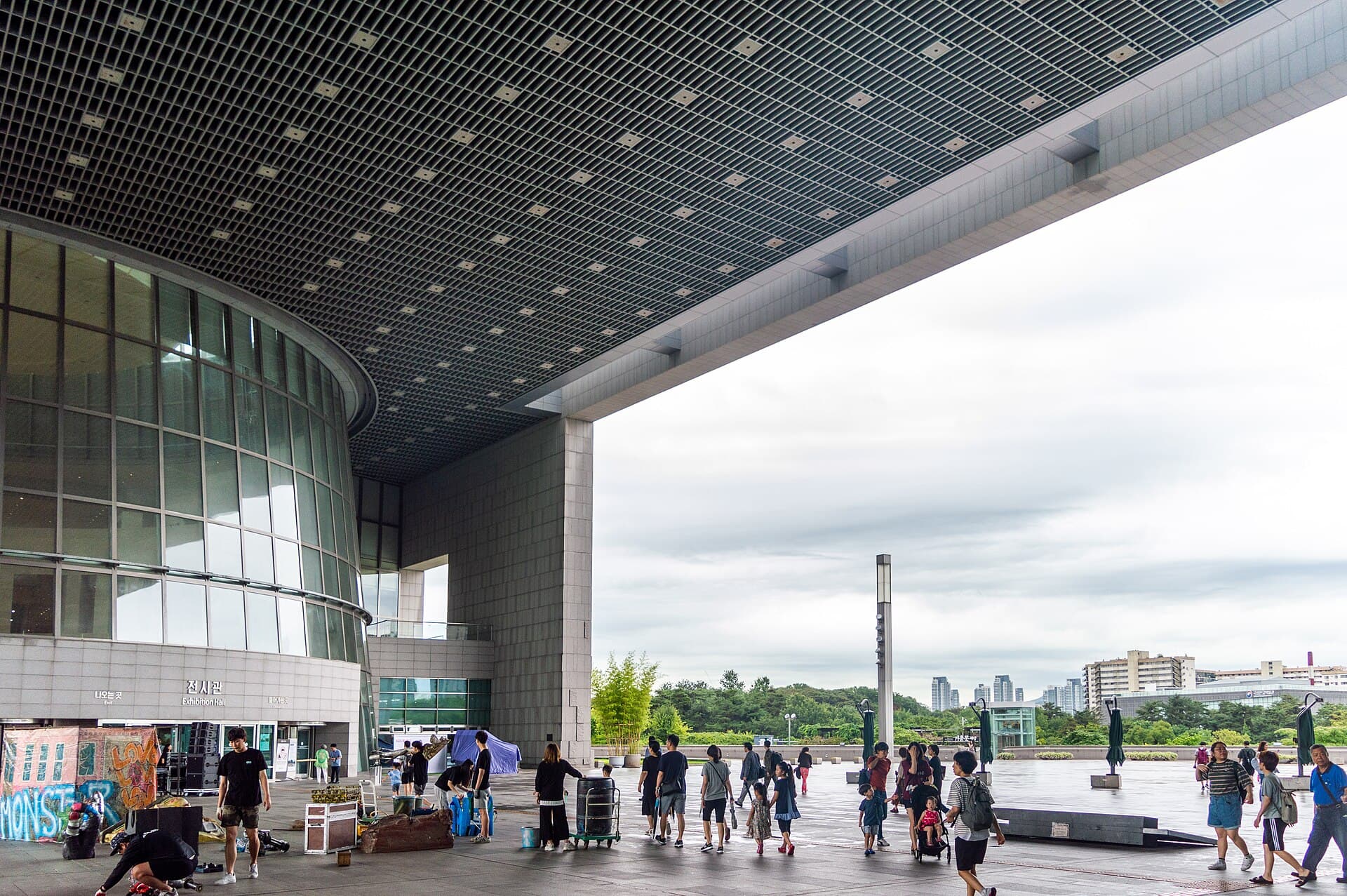
- The large national museums, which are free and are among the best in Asia.
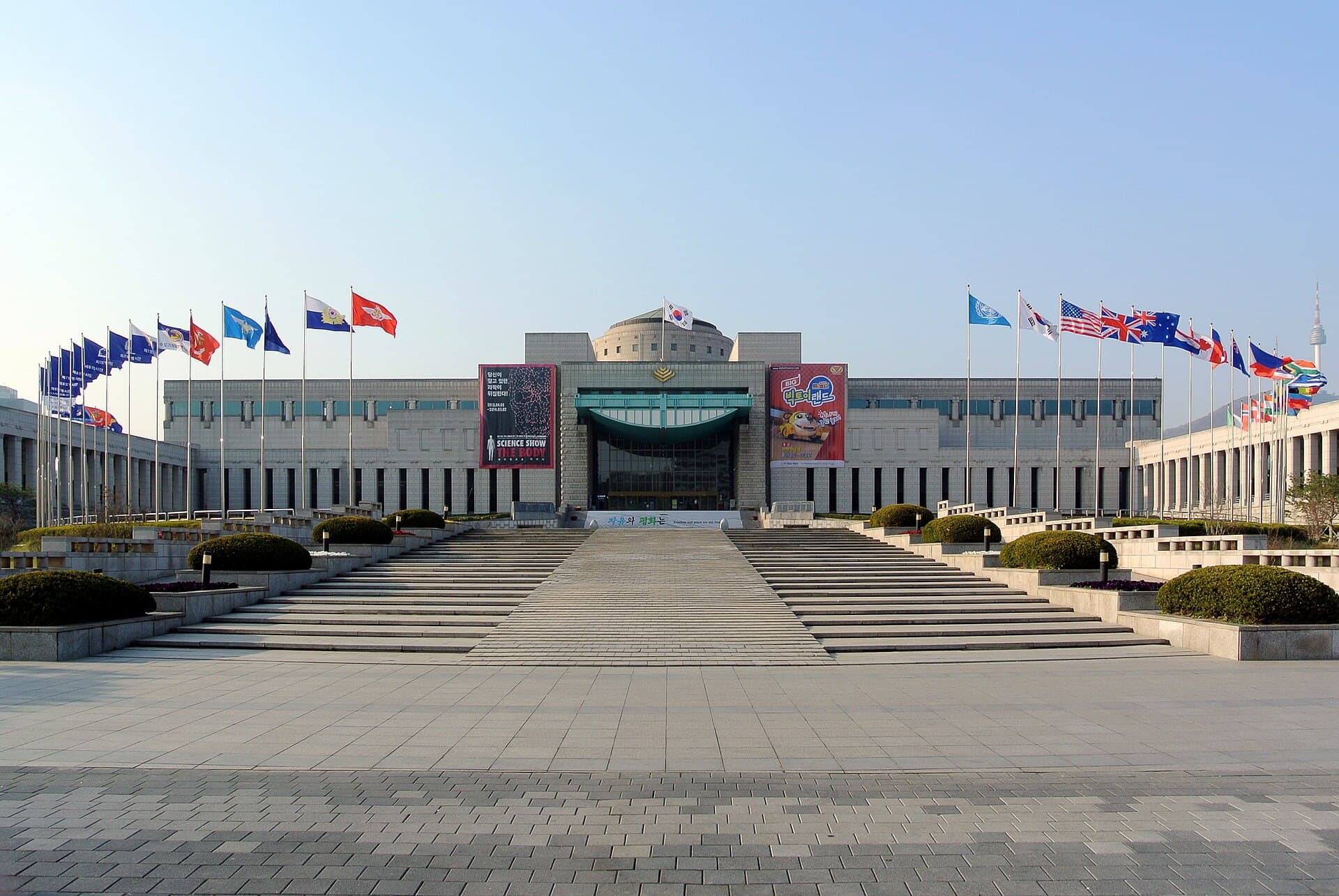
- The war memorial museum, also free, and a serious half day.
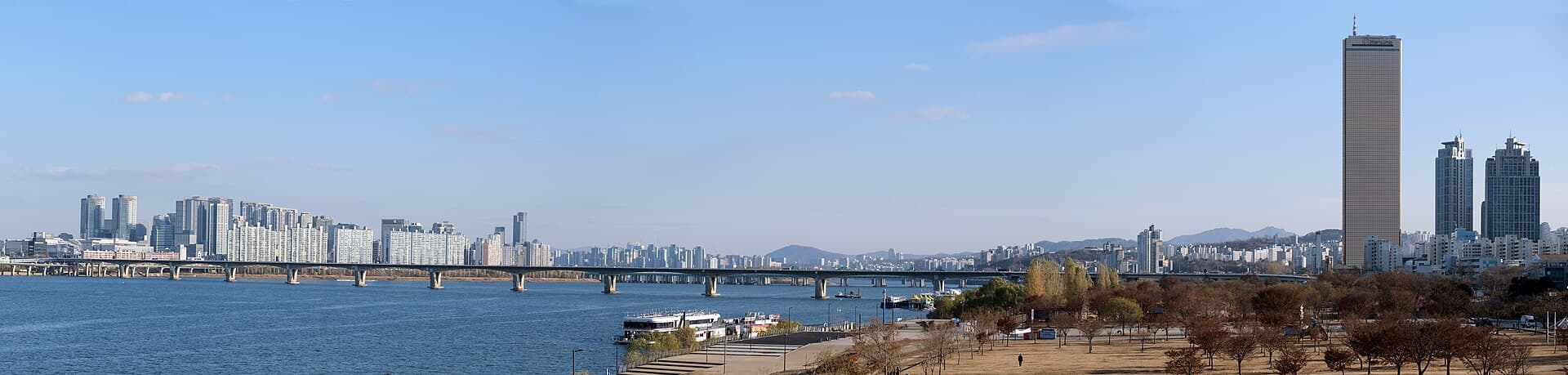
- The river parks, on both banks, for the whole length of the city.
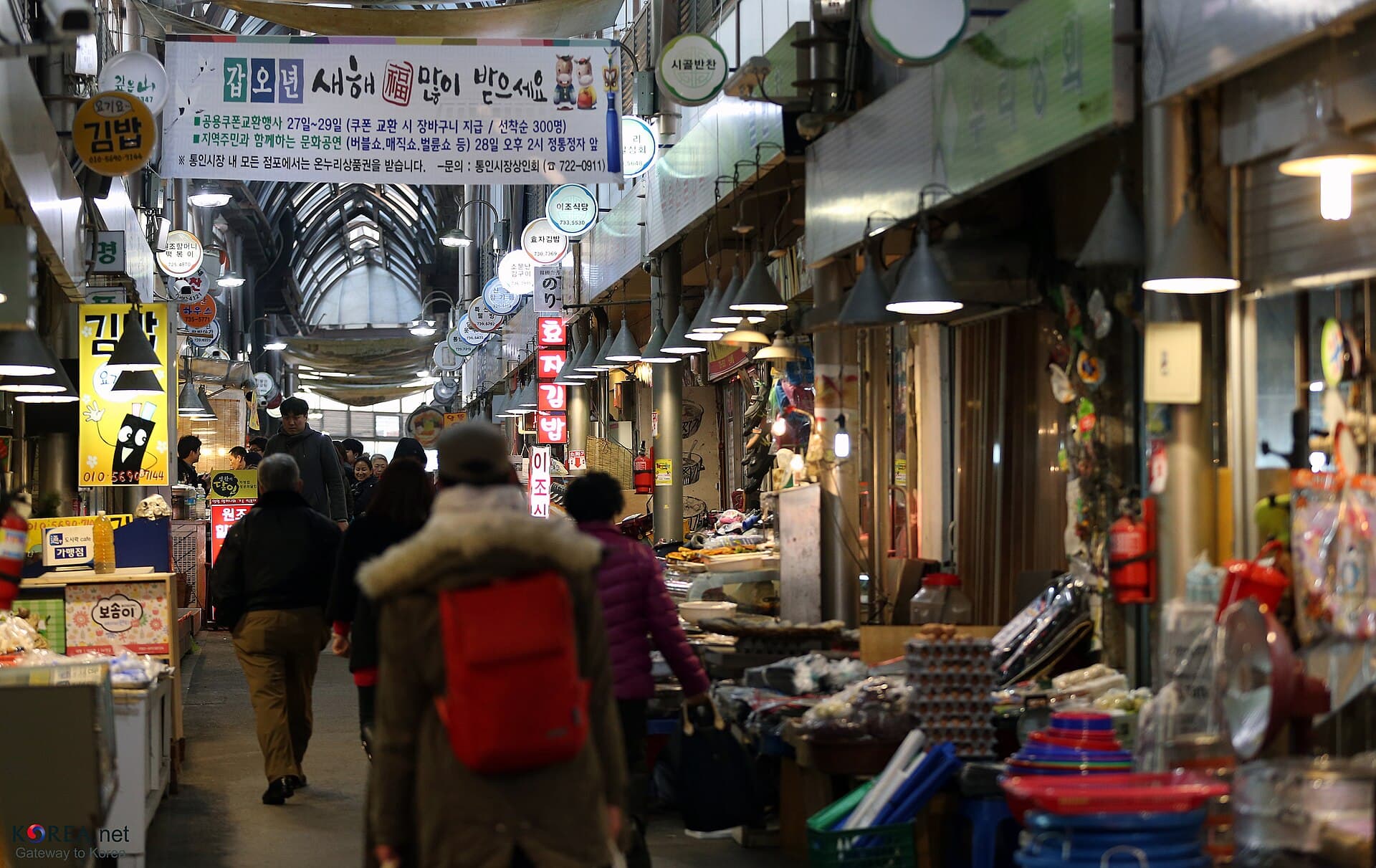
- Every neighbourhood worth walking — the old alleys, the market streets, the hillside villages.
- Mountain trails inside the city, including the one that ends at the tower.
- Changing of the guard at the main palace, which happens outside the ticketed area.
Palaces are cheap, and free in traditional dress
Admission is already low. Renting hanbok gets you in for nothing, and while the rental itself costs money, it is a day's activity as well as a ticket. Whether that is a saving depends on whether you wanted to do it anyway.
Eating well for very little
- Eat lunch as your main meal. Lunch sets in ordinary restaurants are markedly cheaper than the same food in the evening.
- Look for the restaurants with plastic stools and one dish on the sign. They are cheap because they are specialists, not because they are poor.
- Markets for dinner. A couple of dishes eaten standing costs a fraction of a restaurant and is more interesting.
- Convenience stores without embarrassment. Lunch boxes are heated at the counter and are a genuine meal.
- University districts. Whole neighbourhoods priced for students, and the food is not worse.
The two things that will blow it
Cafes and drinking. Coffee is priced at western levels and Korean cafe culture invites several a day. A night out drinking is not cheap either. Neither is a reason to avoid them — just know that they, not sightseeing, are what breaks a Seoul budget.
A free day that is actually good
A national museum in the morning, a walk along the river or through an old neighbourhood in the afternoon, a hill for sunset, and a market for dinner. The only money that changes hands is the transport and the food, and it is a better day than most paid itineraries.
+Is a transport pass worth it?
Only if you are making a lot of journeys. Ordinary pay-as-you-go with a transit card is cheap enough that most visitors never reach the break-even point.
+Are hostels good in Seoul?
Generally yes, and they are concentrated in the areas you want to be in. Guesthouses in older neighbourhoods are often better value than hotels of the same price.
+What about free walking tours?
The city runs volunteer guide programmes, which are free and genuinely good. Book ahead rather than turning up.
Courses in this guide
Read next
Korean Convenience Stores: What to Buy and How to Heat It
The convenience store is a real meal option in Korea, not a last resort. What is worth buying, and how to use the microwave and hot water bar without hesitating.
One Day in Seoul, Realistically
A single day in a city of ten million means choosing one thing and doing it properly. Three honest shapes for the day, and what each one costs you.