Seoul on a Rainy Day: An Itinerary That Stays Indoors
Seoul has a proper rainy season and it does not drizzle, it pours. A day built so that the walking between places is underground or under cover.
Reality check
- Real travel time
- every leg here is subway-to-door or covered — the point is not just indoor destinations but indoor transitions between them
- Payment
- Card accepted
Korean rain in summer is not the intermittent grey of northern Europe. It arrives as a wall of water, lasts hours, and makes the ten-minute walk between two indoor places the worst part of the day. A rainy-day plan is therefore not a list of indoor attractions. It is a route where the gaps between them are also covered.
The real design problem
Anyone can name an indoor museum. The skill is stringing several together with subway exits that come up inside the building, underground shopping streets that run for blocks, and department stores you can cross without going outside. Seoul is unusually good at this once you know it exists.
A day that works
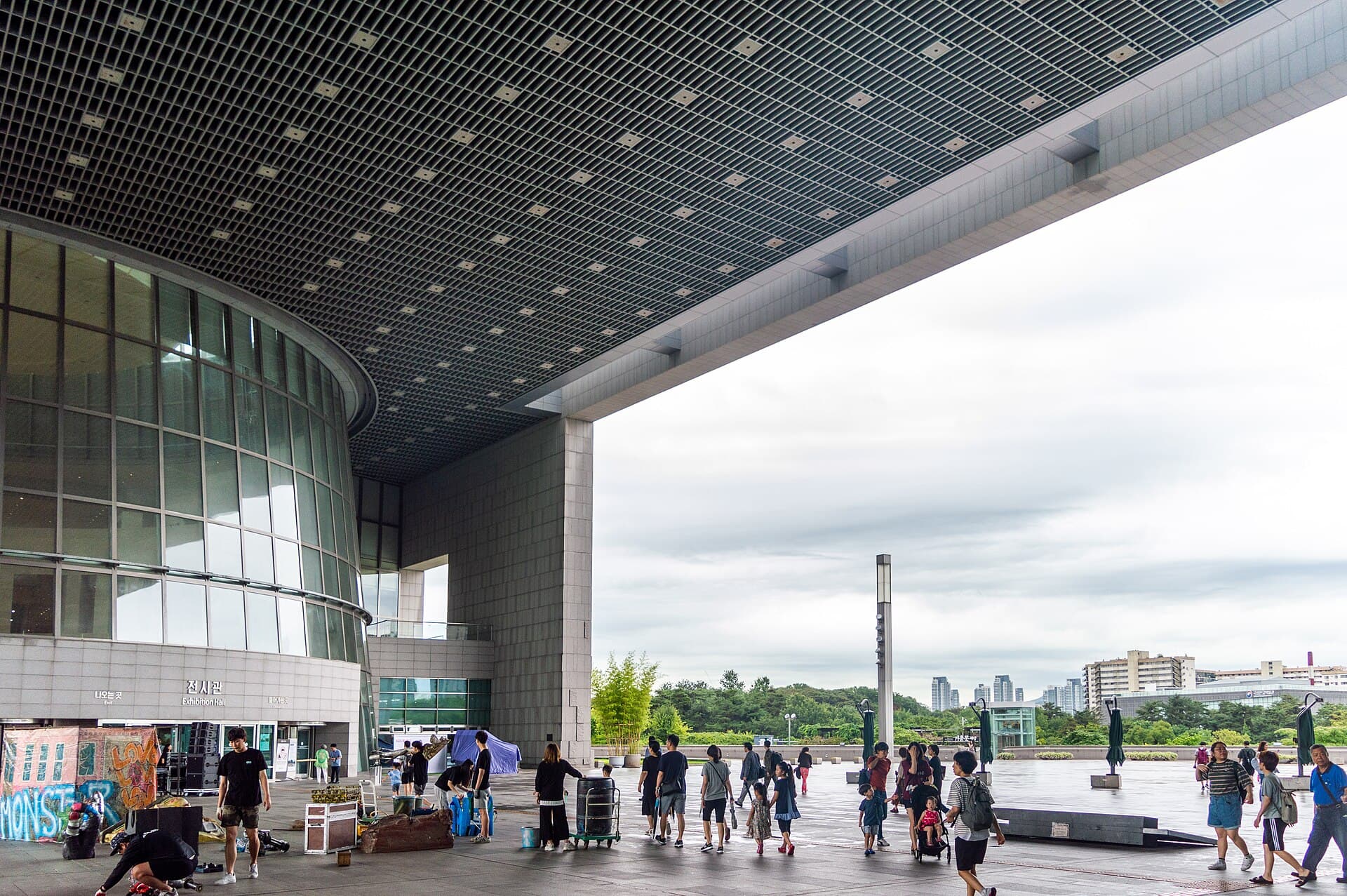
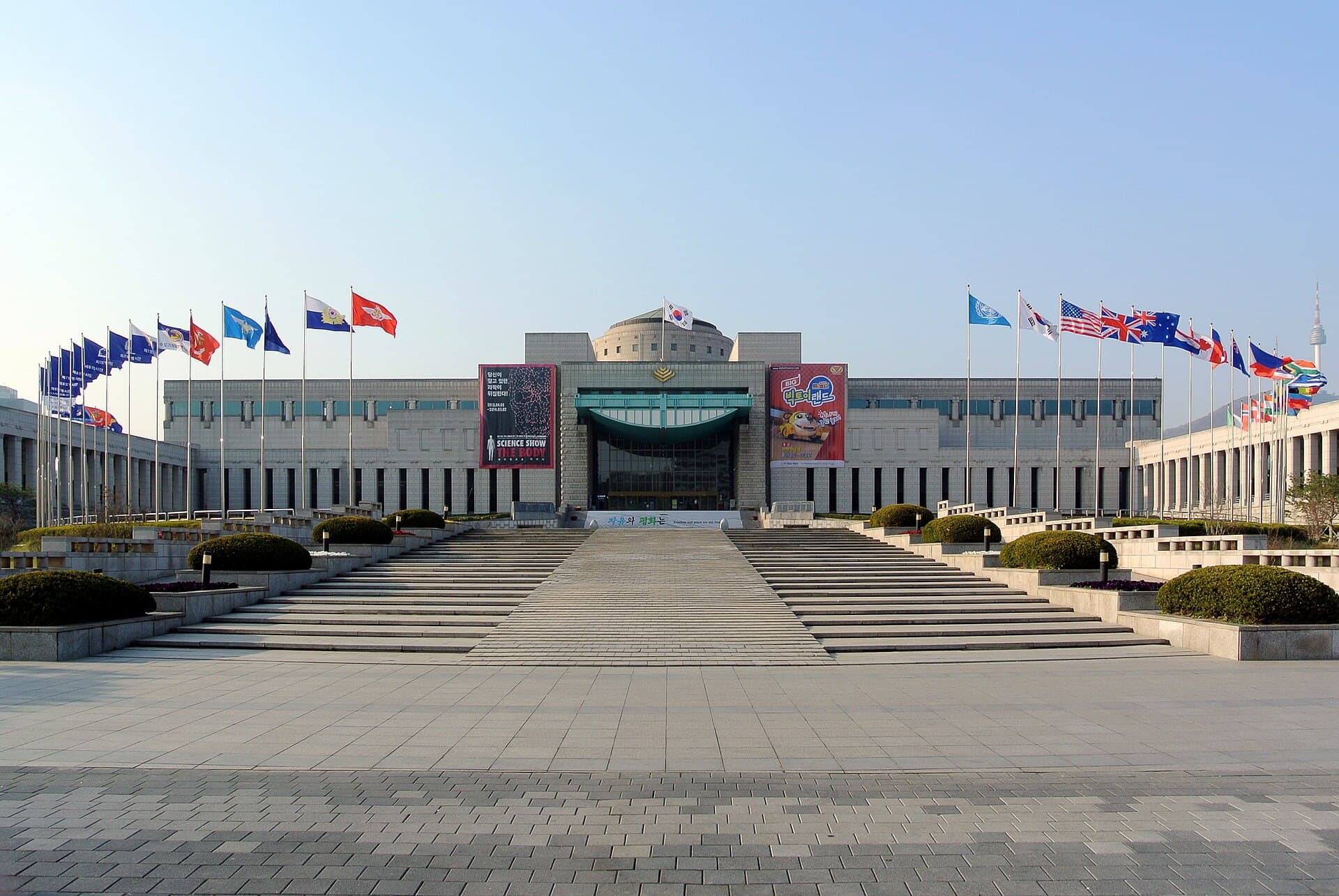
- Start at a large national museum. They are enormous, they take a proper half day, and the subway station connects almost directly.
- Eat inside. Museum restaurants in Seoul are better than the category suggests, and leaving to find lunch is where a rainy day falls apart.
- Move to an underground shopping street in the afternoon. These run for city blocks beneath the main roads and are a genuine part of Seoul rather than a fallback.
- Finish in a covered market or a department store food hall for dinner.
Other indoor options worth the trip
| Why it works in rain | |
|---|---|
| Large national museums | Half a day each, subway-connected, free or cheap |
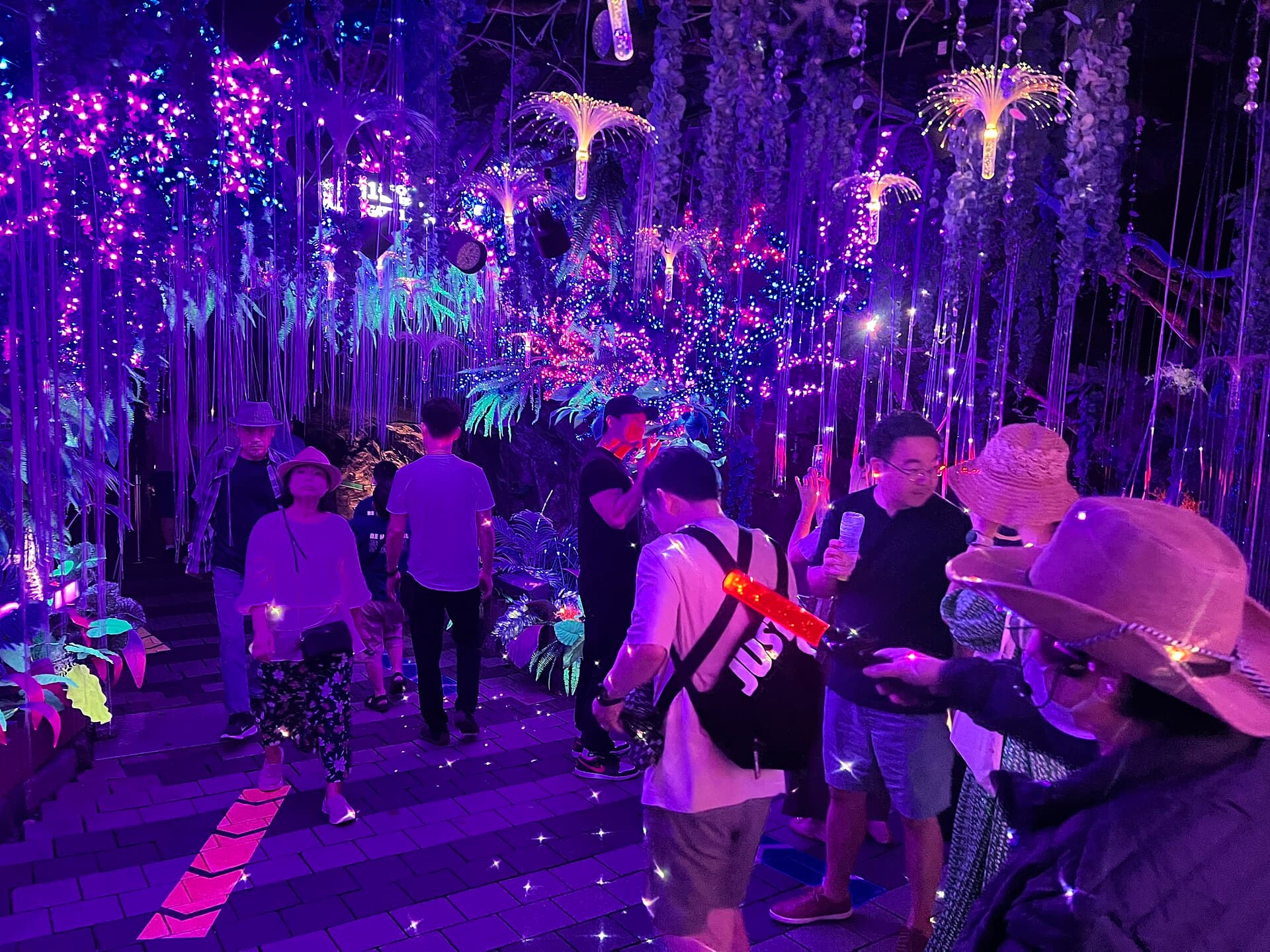
| A cave or mine attraction outside the city | Underground by definition; the weather is irrelevant |
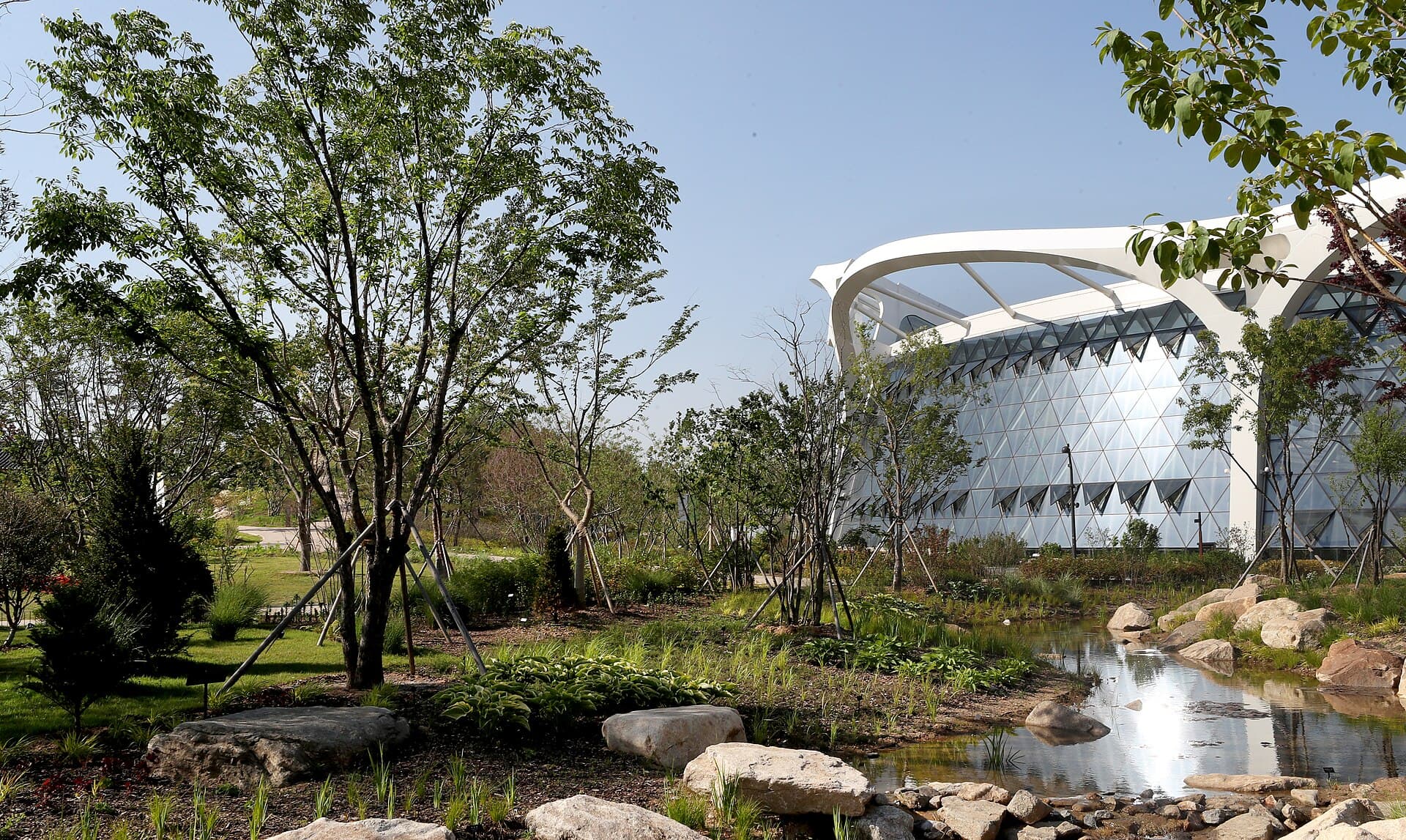
| The botanic glasshouse | Green and warm while it pours outside |
| An aviation or science museum | Made for a long indoor day, and good with children |
| Covered traditional markets | Roofed, chaotic, and better in bad weather than good |
Umbrella logistics
Convenience stores sell umbrellas everywhere for very little, so do not carry one for three days on the chance. Shops and museums have plastic sleeves or umbrella stands at the door, and using them is expected rather than optional.
What to move to another day
- The palaces. They are mostly outdoor courtyards, and hanbok rental in heavy rain is miserable.
- Mountain and tower viewpoints. The view is the point and there will not be one.
- The river parks and anything on a bicycle.
- Outdoor markets and street-food alleys, as opposed to covered ones.
In the rainy season, check the forecast for the day, not the week
Korean summer rain often arrives and clears within the same day. A morning that looks unsalvageable can turn into a clear evening, so keep an outdoor option ready rather than writing the whole day off.
+When is the rainy season?
Broadly early summer, though it has become less predictable. Typhoon remnants can bring heavy rain into early autumn.
+Do things close in heavy rain?
Indoor attractions do not. Outdoor markets thin out and mountain trails and cable cars can close in a storm.
+Is the subway affected?
Rarely. It is the most reliable thing in the city in bad weather, which is why this itinerary is built on it.
Courses in this guide
Read next
One Day in Seoul, Realistically
A single day in a city of ten million means choosing one thing and doing it properly. Three honest shapes for the day, and what each one costs you.
Seoul in Winter Without Freezing
Seoul in January is colder than most visitors expect and drier and clearer than they hope for. How to structure the day around the cold rather than against it.