Gwangjang Market Without Getting Overcharged
The overcharging at Seoul's most famous food market became a national story, and the rules changed in 2026. Here is what protects you now, and what to do at the stall.
Reality check
- English menu
- Photos only
- Going alone
- Perfectly normal
- Payment
- Card or cash — cards are accepted at most stalls now, and paying by card leaves a record of what you were charged
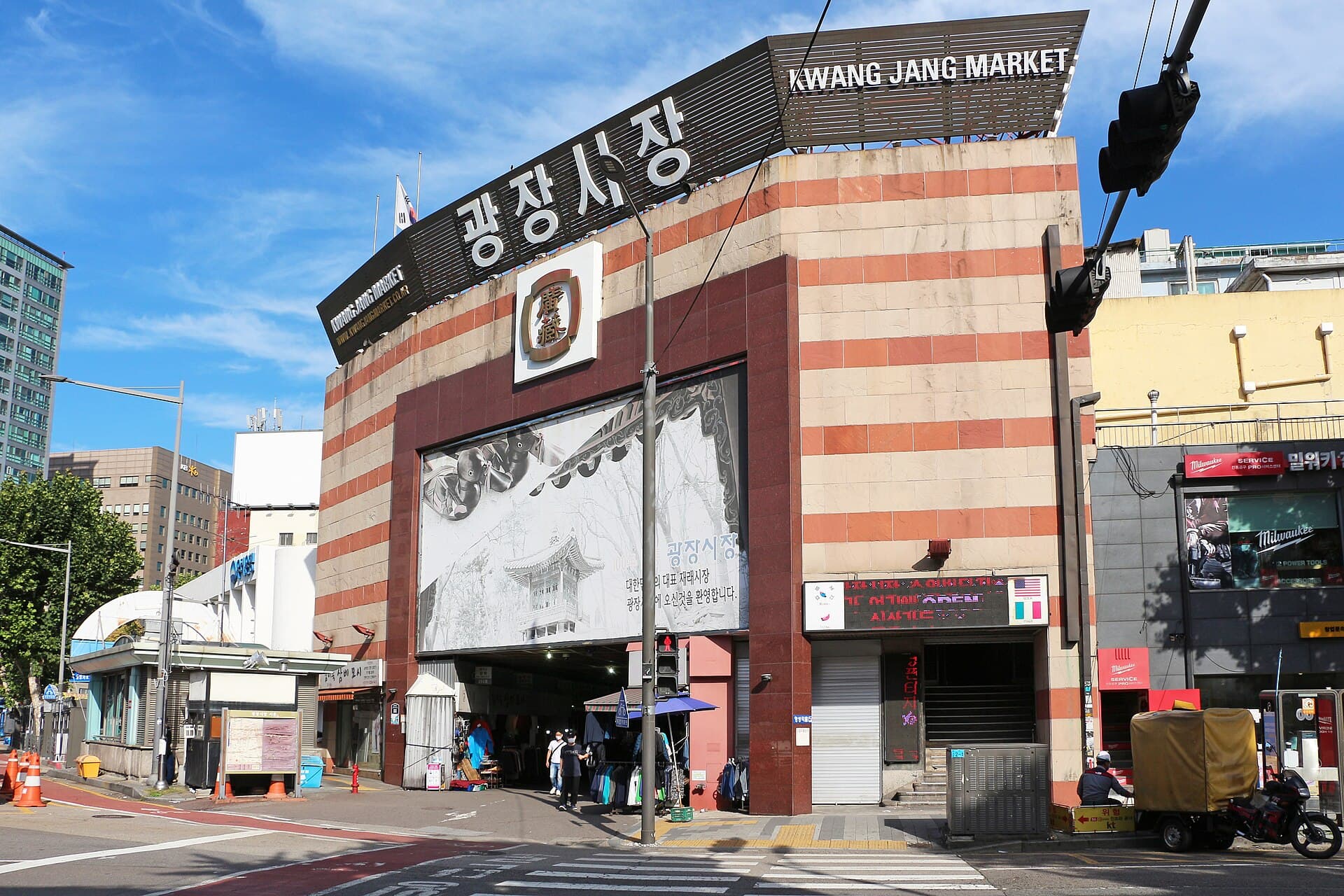
Gwangjang is the oldest permanent market in Seoul and the best-known place in the country to eat street food sitting on a stool. It also spent several years in the Korean press over stalls charging tourists more than locals and serving less than advertised. Both things are true, and the second one has recently had rules put around it.
What changed in 2026
After repeated complaints, the authorities moved from warnings to penalties. Stalls that fail to display prices, or charge above the displayed price, now face immediate suspension on a first offence. The district also introduced a named-vendor system, where repeated violations carry penalty points and enough of them mean permanent removal from the market. The practical effect for you is that a visible price list is now the norm rather than a favour.
How to not get caught out
- Eat where the price list is. Every stall should display one. A stall without visible prices is now the exception, and it is telling you something.
- Confirm the price before they start cooking, not after. Point at the item, point at the number, get a nod.
- Pay by card. It leaves a record, and it removes the whole category of confusion about change.
- Watch what locals are paying and ordering. The busiest stalls with Korean customers are busy for a reason.
- Order dish by dish. A vague “give us a selection” is where the bill inflates.
If it happens anyway
Say so at the stall, calmly, pointing at the displayed price. Given how the rules now work, a stall has considerably more to lose than you do. The market office and the district office both take complaints, and a card receipt is the evidence that makes one worth filing.
What to actually eat
- Mung bean pancake — the dish the market is known for, ground and fried in front of you.
- Knife-cut noodles in broth, from the aisle of stalls that make nothing else.
- Rolled seaweed rice cut small and served with mustard sauce, a Gwangjang speciality.
- Raw beef, for the confident. This is the market's other famous dish and it is not a hedged recommendation — go to a busy stall.
- Blood sausage, sold by weight. Ask what a portion costs before you agree to one.
Go at the right time
Late morning to early afternoon on a weekday is the market working normally. Weekend evenings are the market as a tourist attraction: three deep at every stall, slower service and less patience. The food is the same; the experience is not.
Practical details
- Seating is stools at the stall counter. There is no table service and no separate dining area.
- You share a counter with strangers. This is normal and part of it.
- Most stalls are cash-friendly but card-capable. Carry a little cash for the ones that are not.
- It is indoors, so it works as a rainy-day plan.
- Sunday sees a good number of stalls closed. It is a working market, not an attraction with opening hours.
+Is it still worth going?
Yes. The complaints were about a minority of stalls and about pricing, not about the food, and the enforcement has tightened considerably. Go with your eyes open and it is one of the good things to do in Seoul.
+Can I eat there as a vegetarian?
Partly. The mung bean pancake and some noodle dishes are close, but stocks and seasonings are usually seafood-based. Ask before assuming.
+How much should a meal cost?
A couple of dishes and a drink is an inexpensive meal by Seoul standards. If a bill for two feels like a restaurant bill, something went wrong — check it against the displayed prices.
Courses in this guide
Read next
How to Order at a Korean Kiosk When the Screen Is in Korean
Self-order screens have taken over Korean fast food and cafes, and the English button is not always where you expect. Here is the sequence every kiosk follows.
Where to Eat in Seoul After Midnight
Seoul does not close, but what is open changes character by the hour. Here is what is still serving at one, at three, and at five in the morning.