What to Do on a 6 or 12 Hour Layover at Incheon
Whether you can leave the airport is arithmetic, not ambition. Here is how much of Seoul each layover length actually buys, and when staying put is the better call.
Reality check
- Real travel time
- about 45 minutes each way on the non-stop airport express to Seoul Station — the all-stop train is cheaper and slower, but it calls at Hongik University, which is itself somewhere worth going
- Payment
- Card accepted
- Cost
- budget for the train both ways plus a locker
The honest answer to “what can I do on my layover” depends on one number, and it is not the length of your layover. It is the length of your layover minus everything that is not sightseeing.
Do the subtraction first
Before planning anything, take your layover length and remove the following. What is left is your actual time in the city.
| Comes off the top | Roughly |
|---|---|
| Immigration on arrival | 20–60 minutes, worse at peak times |
| Storing your bag and reaching the train | 20 minutes |
| Airport to Seoul Station, each way | 45 minutes |
| Back through check-in and security | Whatever your airline demands, usually two to three hours before departure |
You need permission to leave, not just time
Going into the city means clearing immigration, which means a visa or an approved K-ETA — the same requirement as any other visitor. It is not something to sort out at the airport on the day. If you are not sure whether you need one, check before you fly, not while standing in the transfer hall.
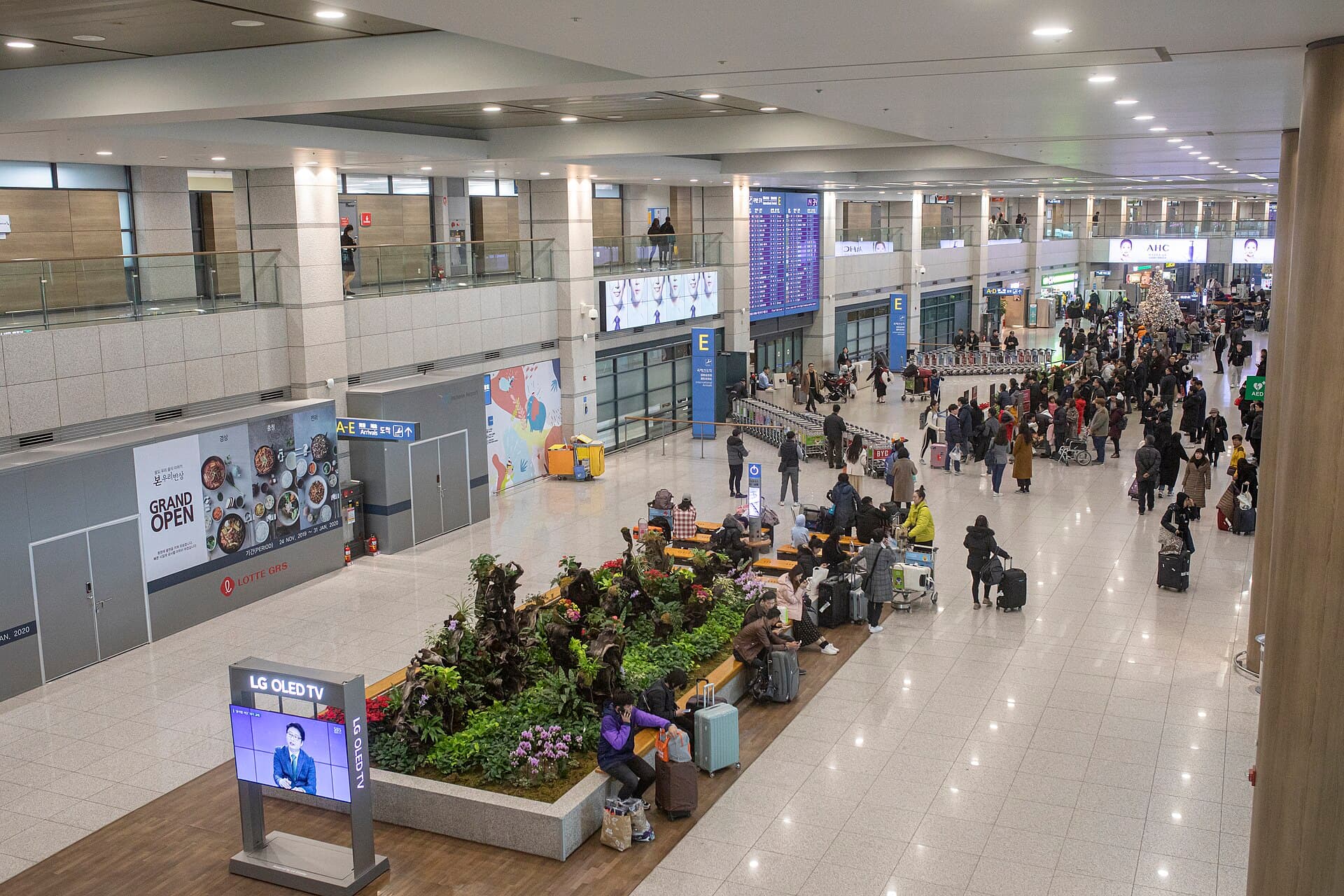
Under six hours: stay in the airport
This is not defeatism. Once you subtract immigration, the train and your check-in deadline, a six-hour layover leaves roughly enough time to reach the city, look at it, and turn around. Incheon is unusually good at being sat in — there are showers, rest zones, cultural exhibits and free traditional craft sessions. Doing that well beats doing Seoul badly.
Six to ten hours: one neighbourhood
Enough for one part of the city, chosen for how close it is to the airport line rather than how famous it is. Two that work:
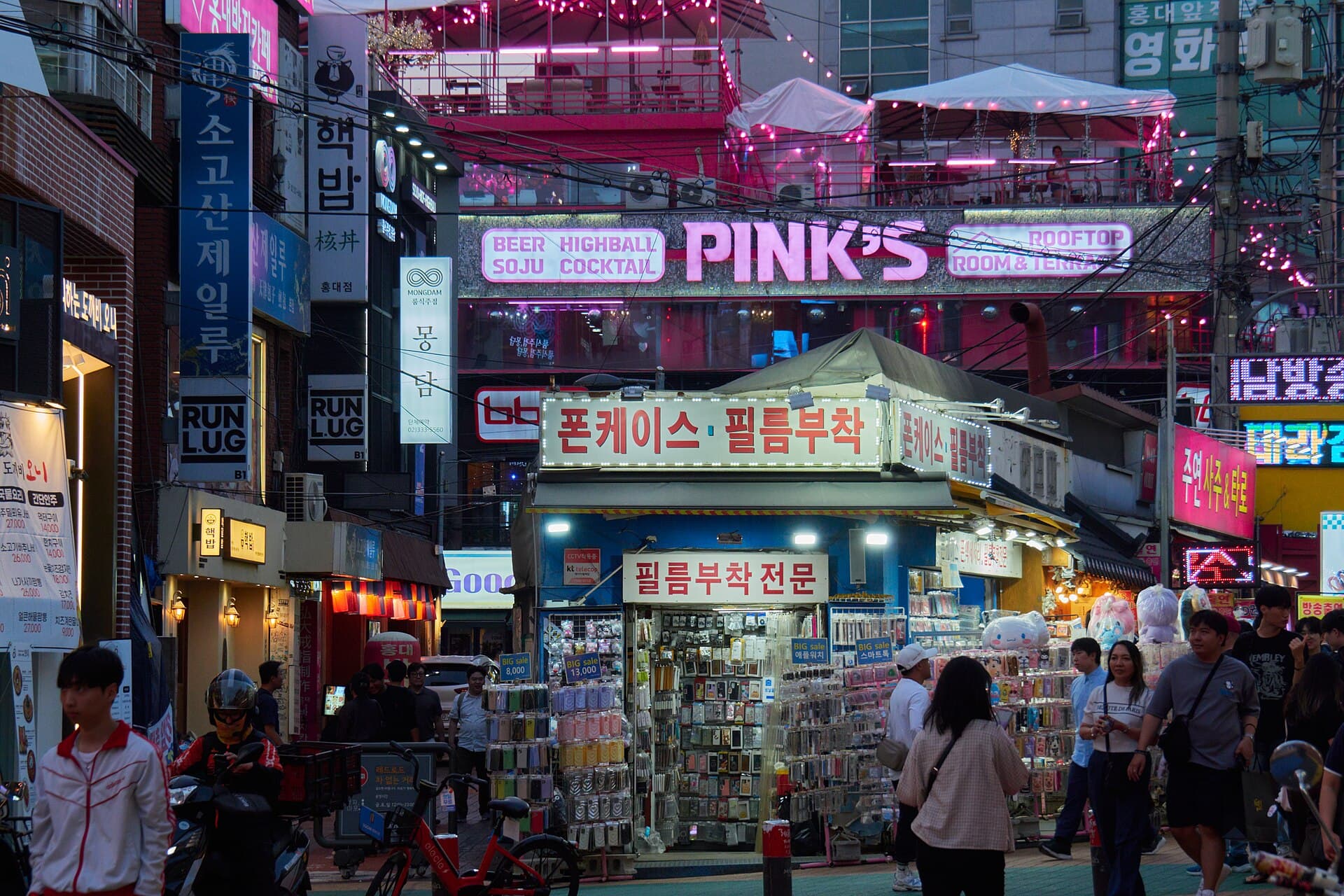
- Hongdae. The all-stop airport train calls at Hongik University station directly, so you skip the change at Seoul Station entirely. It is the closest genuinely interesting neighbourhood to the airport, and it is busy at any hour.
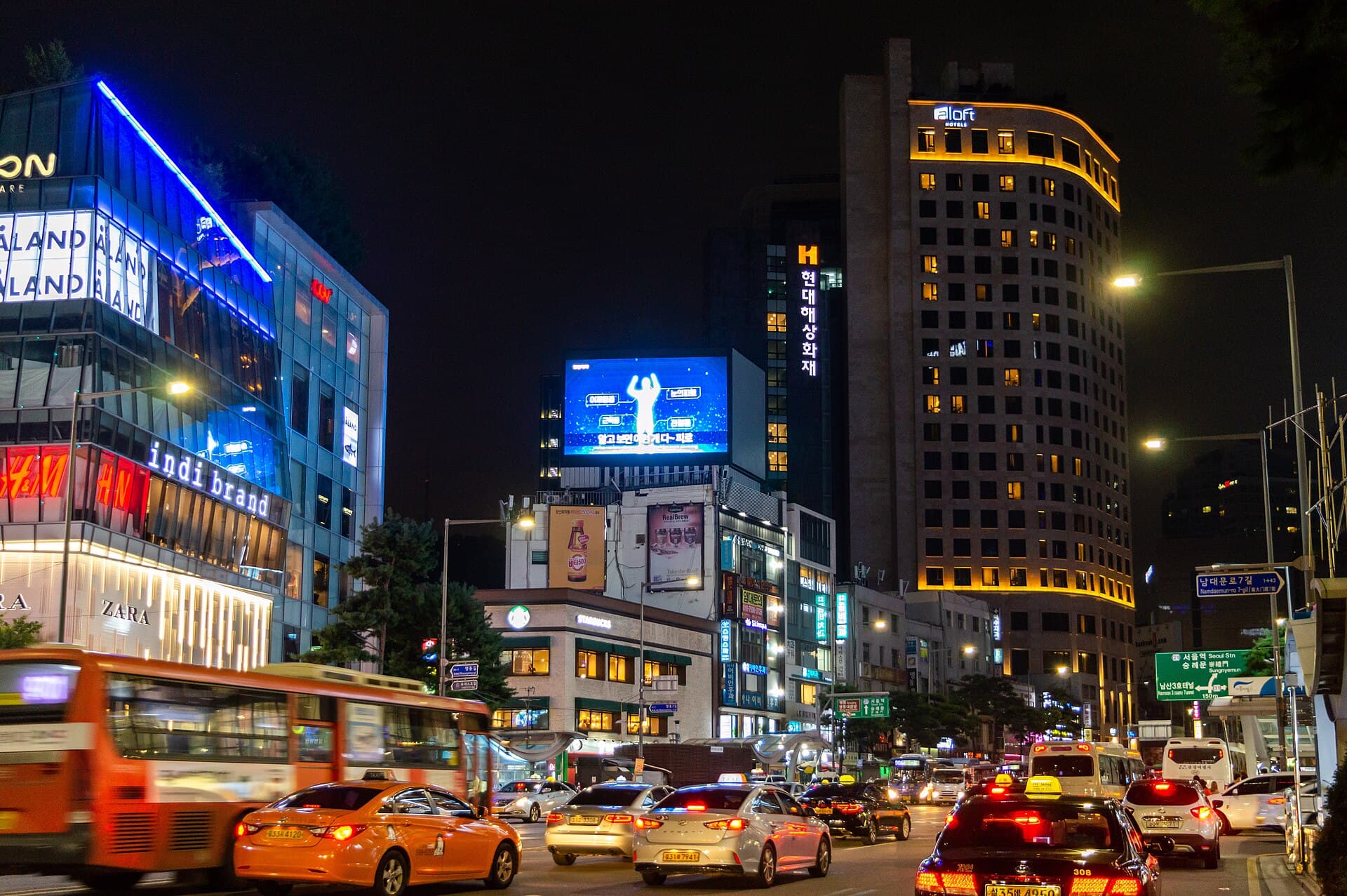
- Seoul Station and the old centre. The non-stop train lands you there in about three quarters of an hour, and the palaces are a short subway ride further. Better if you want the postcard, worse if you are tight on time.
Do not take your bags with you
There are staffed left-luggage counters and coin lockers in both terminals. Paying for a few hours of storage is cheaper than the hour you will lose dragging a suitcase around, and plenty of Seoul subway stations have stairs and no lift.
Ten hours or more: a real half day
With ten hours and up you have four to six usable hours, which is a genuine half-day itinerary rather than a dash. Pick one district and walk it properly instead of collecting sights across the city — the subway rides between famous places will eat the whole margin.
The free airport transit tour
Incheon runs free guided bus tours for transit passengers, from about an hour up to a longer half day, with a guide and a coach that brings you back to the terminal. You sign up at the transit tour desk in the arrivals area after landing; the tour itself is free.
- It still counts as entering the country, so the visa or K-ETA requirement applies exactly as it would if you went alone.
- Places are limited and go to whoever turns up first, so head for the desk as soon as you clear immigration rather than after a meal.
- The schedule and the list of tours change with the season. Treat any specific tour you read about online as a maybe until you see it on the board.
The tour is a shape, not a guarantee
Because it runs to a fixed timetable and returns as a group, it removes the risk of misjudging your own return journey — that is its real value. But if your onward flight is tight, a tour that returns later than you would like is worse than no tour at all. Check the return time against your check-in deadline before signing up.
Getting back is the part that goes wrong
- Work backwards from your check-in deadline, not forwards from now. Set an alarm for the moment you must be on the train.
- Allow for the airport line running to a timetable rather than continuously, especially early and late.
- Terminal 1 and Terminal 2 are separate stations. The train serves both, but they are around twenty minutes apart, and getting off at the wrong one is the classic mistake.
- The last train leaves well before midnight. For an overnight layover, the airport is the plan.
+Can I leave the airport without going through immigration?
No. There is no way into the country that skips the border. Without a visa or K-ETA you stay airside — and airside at Incheon is genuinely well equipped for it.
+Is it worth it for a first visit to Korea?
As a taste, yes. As a substitute for a trip, no — you will see one neighbourhood in a hurry. Treat it as a reason to come back rather than a box ticked.
+What if my luggage is checked through?
Then you have nothing to store and one less thing to do, which buys back half an hour. Confirm it is checked to your final destination before you leave the terminal, not after.
Courses in this guide
Read next
Incheon Airport to Seoul Station: The Express Train Is Usually a Waste of Money
Two trains run the same track to Seoul Station. One costs 11,000 won, the other 4,750. The difference is 16 minutes. Here is when the fast one is worth it.
Do You Need a K-ETA to Enter Korea? Many Visitors No Longer Do
Korea suspended the K-ETA requirement for 22 countries, and the waiver runs to the end of 2026. Here is how to tell which of the three entry categories you fall into.