Your Second Trip to Seoul: Skip the Palaces
You have done the palace, the tower and the shopping street. The second trip is where Seoul stops being a sightseeing city and becomes a place with neighbourhoods.
Reality check
- Real travel time
- these districts are spread out; two a day is still the limit — several of them are on lines a first-time visitor never uses
- Going alone
- Perfectly normal
The first trip to Seoul is a list, and it should be — the palaces and the tower and the famous market are famous for reasons. The second trip is different work. The city's real pleasure is that it is made of dozens of neighbourhoods with distinct characters, most of which no first-time itinerary has room for.
The change of method
Stop planning around sights and start planning around districts. Pick a neighbourhood, arrive without a list, and spend four hours in it. This sounds like a lack of a plan; it is the plan, and it is what Seoul is good at.
Districts instead of sights
| Instead of | Try |
|---|---|
| The main palace | The old residential quarters west and north of it, on foot |
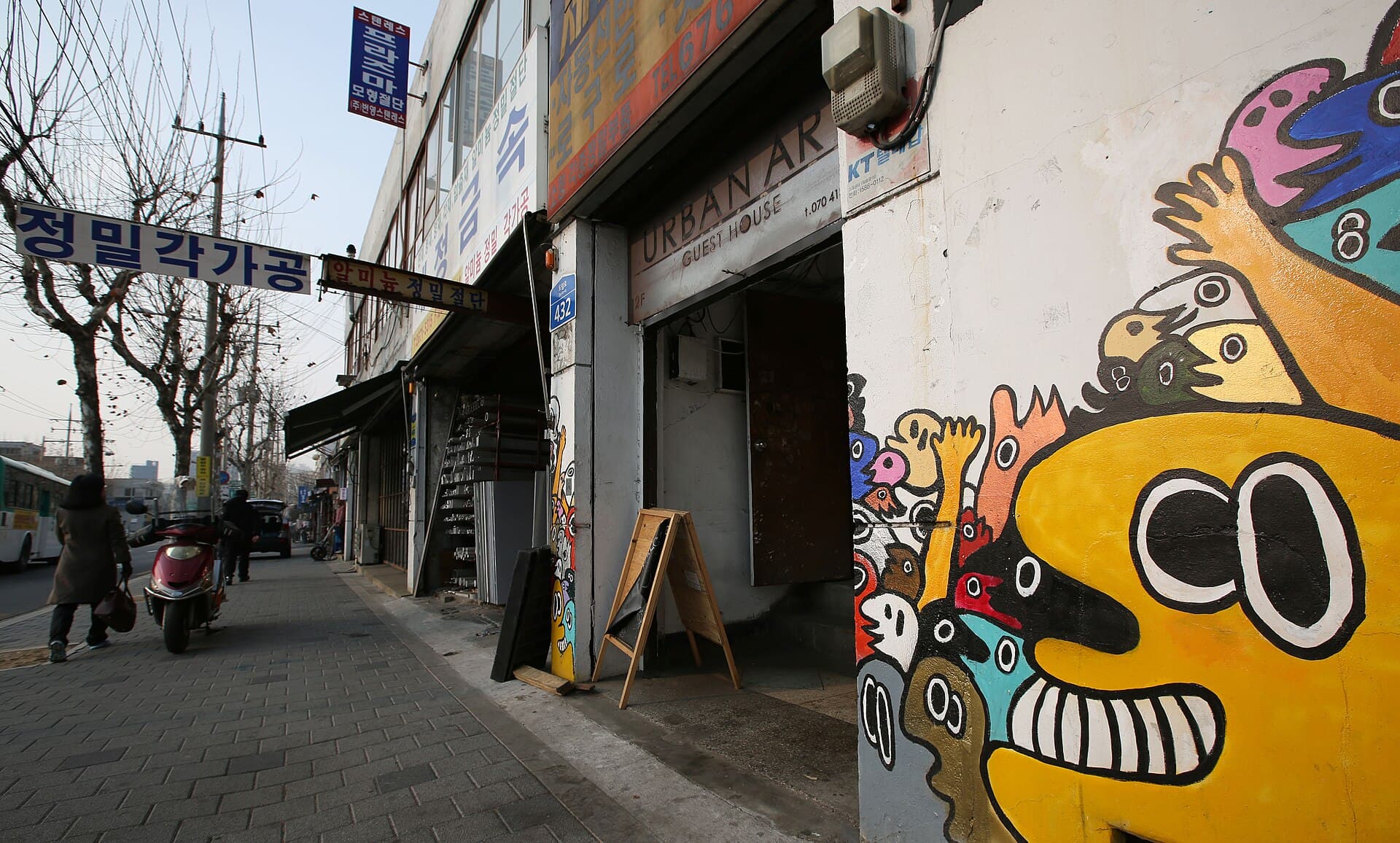
| The famous shopping street | A converted industrial district with independent shops |
| The tower | A hill park at sunset, or the roof of a market building |
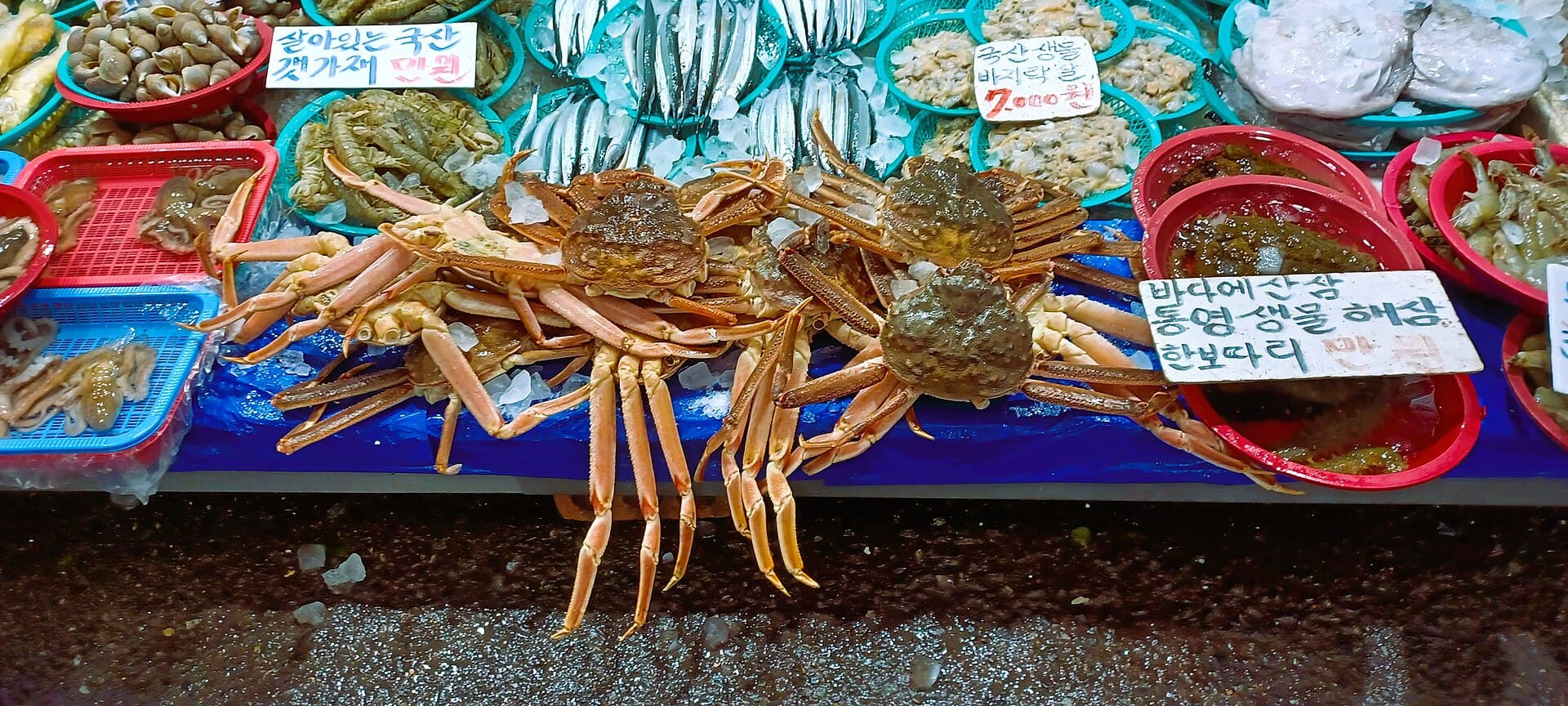
| The tourist market | A working market at nine in the morning |
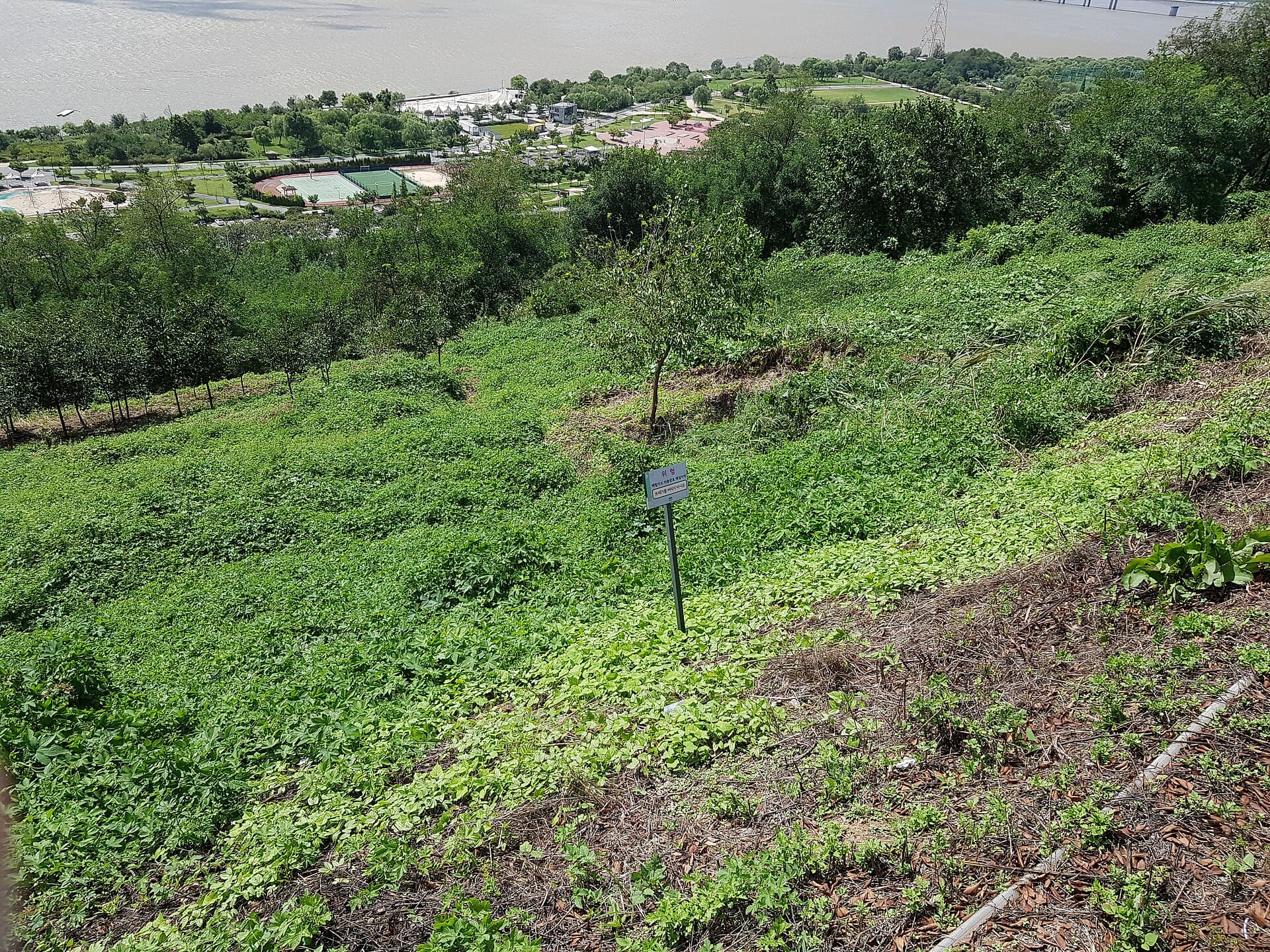
| The main river park | A quieter stretch of the same river, further west |
What a second trip can afford
- Time in one place. Four hours in one district beats four districts in a day, and only a second visit gives you permission.
- The unphotogenic stuff. Print shops, hardware alleys, a covered market that sells nothing you want — these are the parts of Seoul that feel like a city rather than a destination.
- Being out late. Seoul's evening is its best hour and a first trip usually spends it recovering.
- Weather. If the second trip is a different season, half the city is different too.
- A day out with no sightseeing in it at all — a bathhouse, a long lunch, a bookshop.
Go where the subway line you never used goes
First visits happen on two or three lines. Pick one you have never been on, get off somewhere that is not a tourist stop, and walk. This works better in Seoul than in most cities because the density means there is something at every station.
Worth breaking the rule for
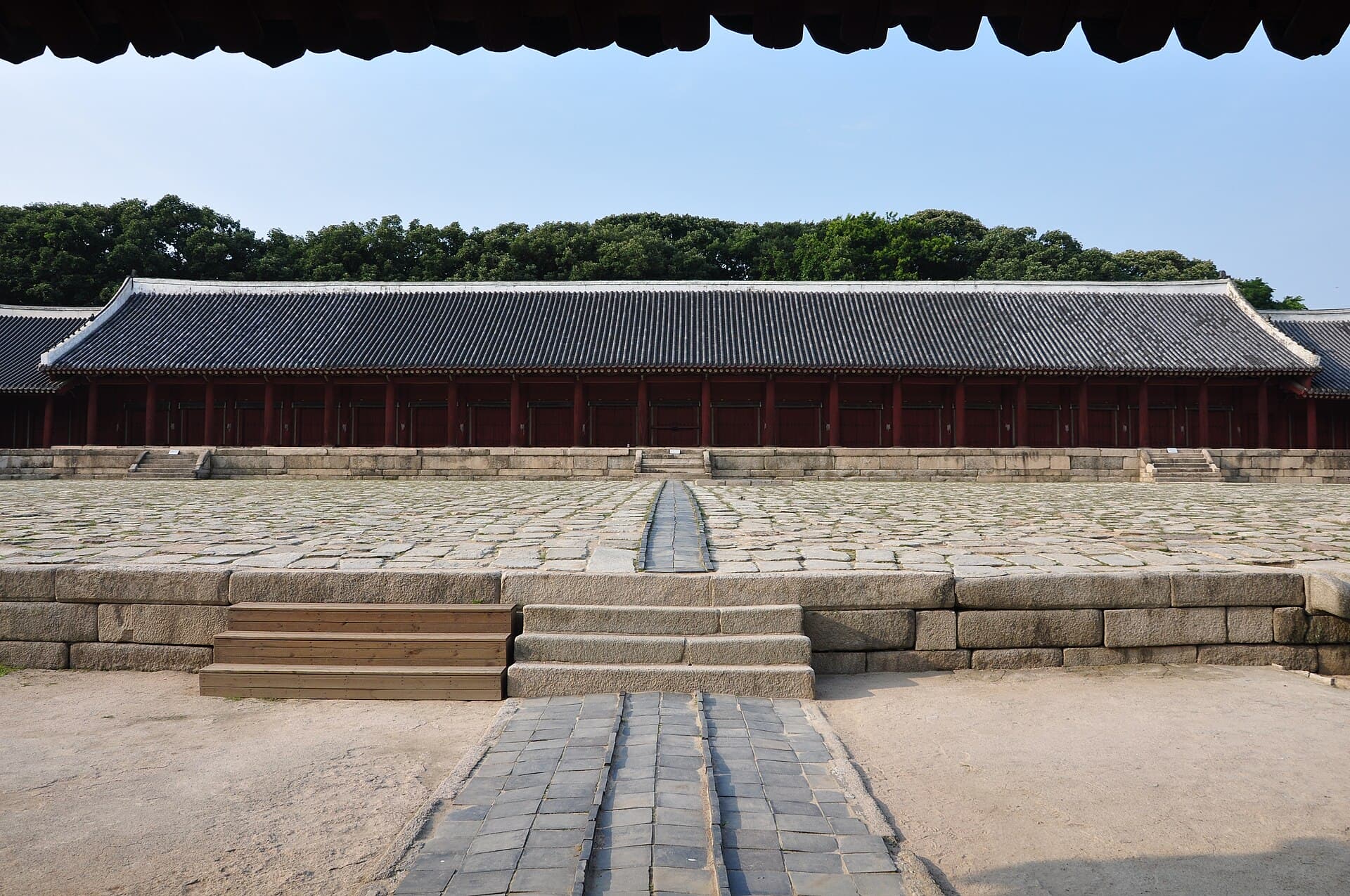
- The main palace at opening time on a weekday, when it is empty. It is a different building without the crowd.
- A museum you skipped because you only had one museum day.
- A day trip you did not have time for — a fortress town, a river valley, the border.
- A second city entirely. Seoul is three hours from the far end of the country.
The one trap on a second visit
Chasing what changed. Seoul's cafes and shops turn over fast, and a list of what is new goes stale within months. The neighbourhoods do not turn over. Plan around the district and let whatever is currently in it be a surprise.
+Where should I stay this time?
Somewhere residential rather than central. Staying in an ordinary neighbourhood is most of what makes a second trip feel different.
+How long should a second trip be?
Longer and slower. The same three days spent in half as many places.
+Should I go somewhere else in Korea instead?
If you are choosing between a second Seoul trip and a first Busan or Gyeongju trip, go to the new place. But a second Seoul trip is not a consolation prize — it is a better trip than the first for most people.
Courses in this guide
Read next
Three Days in Seoul: The Complete Itinerary
Three days is enough to see Seoul properly if the days are shaped around geography rather than a list. Old city, modern city, and one day out.
Gyeongju as a Day Trip from Busan
The fast train is not the right answer here. Its station is ten kilometres outside town, and the bus puts you in the middle of everything you came to see.